

Read the NFP building blocks series:
#1 How Nonprofits Can Improve Financial Reporting with Sage Intacct Dimensions
#2 Better Visibility for Nonprofits With Sage Intacct Dashboards
#3 Strengthening Nonprofit Compliance with Grant Tracking in Sage Intacct
Throughout this series, we have explored how nonprofits can build a stronger financial infrastructure through dimensional accounting, real-time visibility and more consistent grant tracking. But even a well-structured and compliant organization can be slowed down by inefficient daily processes.
You would not irrigate a community farm by carrying water one cup at a time. Yet many finance teams take a similar approach to invoices, approvals, allocations and reporting—moving information manually from one person or system to another.
Workflow automation can reduce that administrative burden. The goal is not simply to complete the same tasks faster. It is to give finance professionals more time for forecasting, grant analysis and strategic work that supports the mission.
The High Cost of Low-Value Tasks
Time is a limited resource for nonprofit CFOs, controllers and executive directors. Yet experienced professionals frequently find themselves caught in the weeds of routine administration.
Common time-consuming processes include:
- Paper-based invoice processing: Routing physical documents that can be delayed, misplaced or left on an approver’s desk.
- Manual purchase approvals: Chasing signatures or searching through email threads to confirm whether an expense was approved.
- Spreadsheet-driven allocations: Maintaining complex workbooks to distribute shared expenses across funds, grants and programs.
- Redundant data entry: Entering the same information into multiple systems, such as transferring data from a donor management platform to the accounting system.
- Month-end bottlenecks: Manually reconciling accounts and gathering information from different sources before reporting deadlines.
These tasks still need to be completed, but they do not always require the time and attention of the organization’s most experienced financial leaders. Every hour spent routing invoices or reentering data is an hour that cannot be used to analyze grant performance, update forecasts or advise leadership.
Bringing Automation into Daily Financial Processes with Sage Intacct
Sage Intacct can help nonprofits automate and standardize recurring financial workflows. Rather than relying on paper files, inboxes and disconnected spreadsheets, organizations can route transactions through defined digital processes.
The right approach depends on the organization’s configuration, subscribed modules and connected systems. Common opportunities include:
Procure-to-Pay Workflows
A digital procure-to-pay process can connect purchase requests, approvals, invoices and payments. This creates a more consistent workflow and reduces the need to track activity across paper forms and email threads.
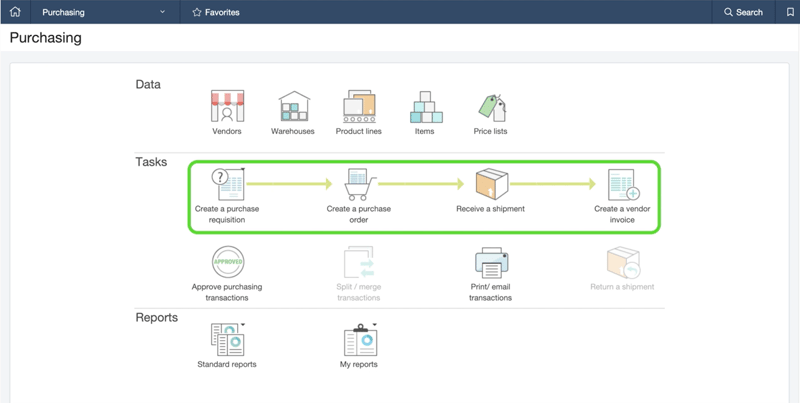
Finance teams can see where an item is in the process, identify delays and maintain related information in a more centralized location.
Automated Approval Routing
Approval requests can be routed based on predefined criteria such as transaction amount, department, program or grant. For example, a routine purchase may follow a standard approval path, while a larger or restricted expense may require additional review.
Reduced Manual Data Entry
Imports, recurring transactions, integrations and other automation tools can reduce the need to enter the same information multiple times. This may save time and lower the risk of inconsistencies between systems.
Centralized Supporting Documents
Invoices, receipts and other supporting documents can be attached to transaction records. Keeping the documentation with the related activity makes it easier for authorized users to review approvals, answer questions and prepare for an audit.
Automated Allocations
Allocation functionality can help distribute shared expenses across programs, departments, grants or other dimensions using established methodologies. This can reduce reliance on complex spreadsheets and make recurring allocations more consistent.
Scheduled Reporting
Recurring reports can be scheduled for delivery to appropriate stakeholders. This allows program and financial leaders to receive information on a consistent timetable without requiring the finance team to rebuild and distribute each report manually.
Payment Processing
Depending on the organization’s configuration and payment tools, payment workflows can streamline vendor processing and provide better visibility into payment status. Appropriate authorization, fraud-prevention controls and segregation of duties remain essential.
The Benefits of More Efficient Workflows
Automation does not eliminate the need for finance professionals. It shifts their attention from repetitive processing to reviewing exceptions, analyzing performance and supporting decisions.
Potential benefits include:
- More time for strategic work: Finance leaders can devote greater attention to forecasting, grant analysis, cash flow and organizational planning.
- Fewer manual steps: Reducing repetitive entry and spreadsheet handling can lower the risk of avoidable errors.
- Clearer accountability: Digital workflows can document who submitted, reviewed and approved a transaction and when each action occurred.
- A more efficient month-end close: Standardized processes and centralized information can reduce delays during reconciliations and reporting.
- More timely vendor payments: Better routing and visibility can help organizations process approved invoices more consistently.
- Stronger use of existing staff: Reducing administrative work can help teams manage growing transaction volumes without increasing effort at the same rate.
The amount of time saved will vary based on the nonprofit’s current processes, transaction volume, system configuration and level of adoption.
Organizations do not need to automate every process at once. A practical starting point is to identify workflows that are repetitive, time-consuming and governed by clear rules.
Making More Time for the Mission
Workflow automation can help nonprofits use both their financial and human resources more effectively. By reducing manual entry, standardizing approvals and connecting supporting information, organizations can give finance teams more time to focus on analysis and planning.
As nonprofits grow, however, their financial environments often become more complex. They may add entities, programs, funding sources or geographic locations, each with new reporting and operational requirements.
In the final post in this series, we’ll explore how nonprofits can build a financial infrastructure that supports growth without adding unnecessary complexity.

