

The construction industry has long been seen as traditional and resistant to change. But today, with mounting labor shortages and increasing project complexity, companies are turning to construction technology solutions to stay competitive. Digital tools are not just boosting productivity — they’re also helping attract and retain the next generation of skilled workers.
The Construction Labor Shortage: A Growing Challenge
The construction workforce shortage is one of the industry’s biggest hurdles. An aging workforce, declining interest from younger generations, and limited trade training programs are shrinking the talent pool. By 2030, the U.S. Bureau of Labor Statistics projects a 7.5% decline in workers ages 16–24 and a 9.5% increase in those over 65 still in the workforce.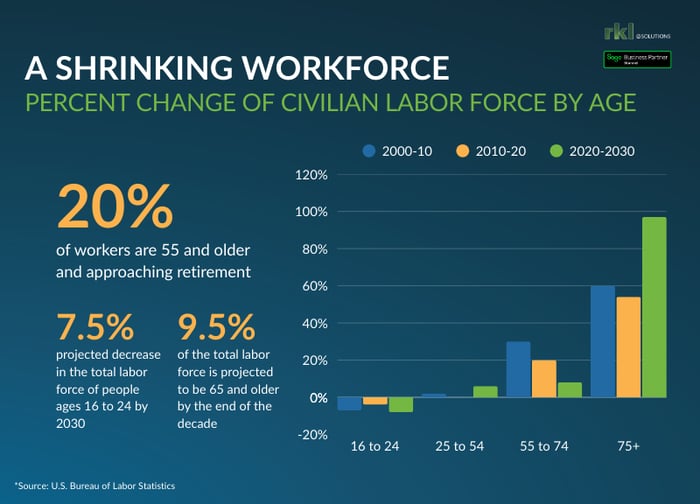
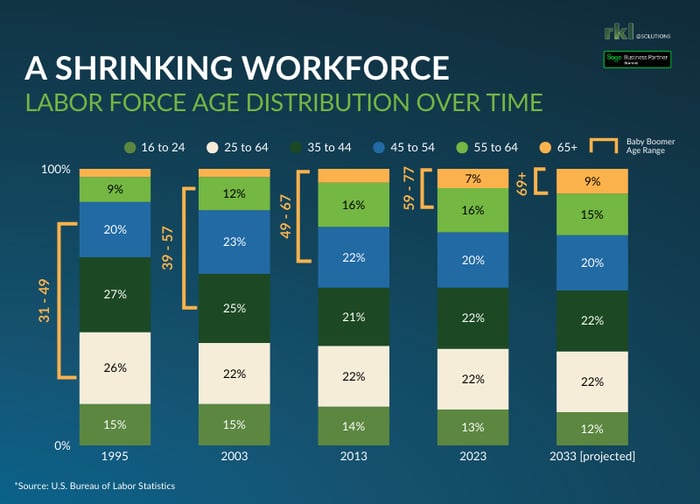 Without action, contractors face rising costs, delayed projects, and employee burnout. That’s why companies are adopting innovative construction technologies to modernize their workforce strategies.
Technology as a Solution to Labor Shortages
Embracing digital construction tools helps companies position themselves as forward-thinking employers. Younger, tech-savvy workers are drawn to environments that use modern tools like drones, 3D printing, and augmented/virtual reality (AR/VR). These technologies not only make jobs safer and more engaging but also provide career growth opportunities through tech-driven training.
For current employees, automation and mobile apps reduce inefficiencies, streamline workflows, and boost morale — all of which improve retention.

Key Construction Technologies Transforming the Industry
Several technologies stand out for their impact on workforce development and project delivery:
- Building Information Modeling (BIM): Improves collaboration, reduces rework, and prevents costly errors in the design stage.
- Drones: Deliver accurate site surveys, monitor progress, and improve jobsite safety.
- 3D Printing: Enables faster, sustainable production of custom components with less waste.
- AR/VR for Construction Training: Creates immersive environments for safety training, project visualization, and stakeholder collaboration.
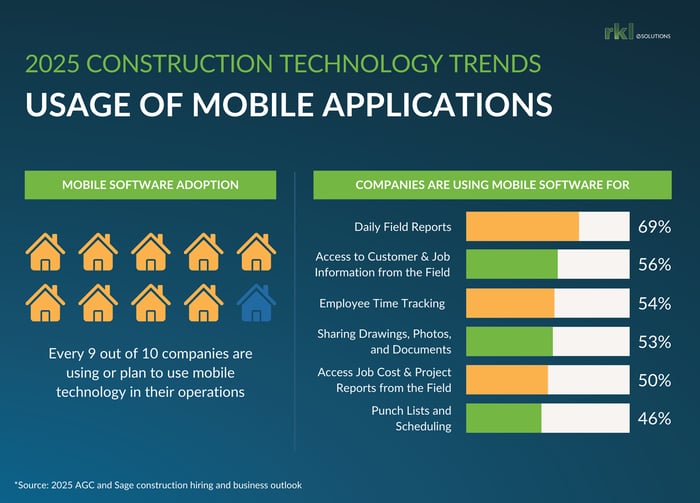
- Cloud and Mobile Technology: Keeps teams connected with real-time access to data and project updates.
- Wearable Safety Technology: Tracks worker health and site conditions to prevent accidents.
These tools don’t just improve efficiency — they strengthen a company’s reputation as an industry leader.
Predictive Analytics in Construction Project Management
Another game-changer is predictive analytics in construction, which uses data to forecast risks, resource needs, and project costs. By identifying challenges early, managers can optimize schedules, improve financial planning, and reduce employee stress.
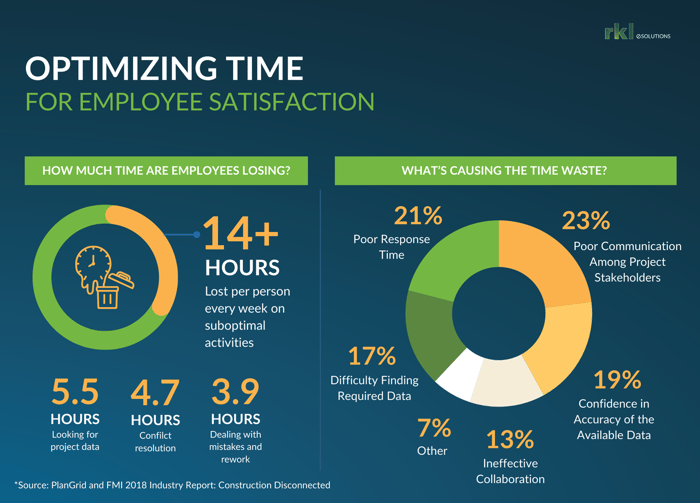
This proactive approach creates a culture of innovation and positions companies as attractive employers for data-driven professionals.
Quality Control & Risk Management
Technology is also improving construction quality control. AI-powered inspections, real-time monitoring, and defect-tracking systems reduce errors and enhance safety. Workers benefit from reliable tools that simplify their jobs and build pride in their contributions.
Meanwhile, wearable sensors and advanced risk monitoring tools demonstrate a company’s commitment to safety, which is a critical factor in employee satisfaction and retention.
Leadership in Construction Technology Adoption
For technology to succeed, leadership must drive adoption. Executives and project managers should:
- Communicate a clear vision for new tools
- Provide ongoing training and support
- Encourage innovation and experimentation
- Roll out technology in phases for smoother adoption
Strong leadership ensures that digital transformation in construction doesn’t just stop at the jobsite but becomes part of company culture.

Building the Future of Construction
The future of construction lies in the seamless integration of AI, automation, and digital construction software. These solutions will reduce waste, improve sustainability, and empower workers with better tools. Just as importantly, they’ll attract a new generation eager to work in a modern, tech-driven industry.
Technology is no longer optional — it’s a strategic imperative for construction companies. From BIM and drones to predictive analytics and wearables, digital tools are transforming how the industry attracts, retains, and empowers its workforce. Companies that embrace innovation will build not only better projects, but also a stronger, more resilient workforce.
This is a summarized version of Ben's original article, which the CFMA published in the July/August issue of CFMA Building Profits magazine. The magazine focuses on providing construction financial professionals with in-depth articles and practical takeaways by industry experts on topics ranging from construction accounting to tax to risk management to technology.
Read the full article in CFMA Building Profits here »