

In the ever-evolving world of nonprofit funding, grants are becoming increasingly vital. Total charitable giving in the U.S. soared to $471.44 billion in 2020, with grant funding contributing significantly. As nonprofits grow more reliant on these funds, mastering grant management is crucial. Here are 7 proven ways to elevate your grant management game and grow your nonprofit.
1. Assemble the Right Team
Successful grant management starts with having the right people. Choose passionate, experienced staff from fundraising, project management, leadership, and finance. Equip them with the tools needed to oversee the entire grant lifecycle, and who will be able to identify opportunities that align closely with your organization's goals, structure, and staffing. The grant lifecycle consists of two main stages: "pre-award" and "post-award," often managed by separate teams within organizations. To streamline this process, engage in discussions with your internal teams to determine where data will be housed—whether in your CRM system, financial system, or both—to ensure seamless automation and data management.
2. Cultivate Donor Relationships
Building strong relationships with grantors hinges on trust, accountability, and a shared commitment to your mission. Successfully meeting the objectives and requirements of each grant is crucial for strengthening these connections and increasing the likelihood of receiving additional grants. Modern financial solutions play a pivotal role in this process with robust expense tracking, grant management, and reporting capabilities, ensuring accountability and consistently meeting grantor expectations while building trust.
3. Manage Restricted Funds Carefully
Restricted funds come with specific obligations or instructions regarding their use, making compliance and accurate accounting essential. When your organization receives a grant with such restrictions, it's crucial to adhere strictly to these guidelines or potentially face damage to your organization's trustworthiness or future grant renewals. While many nonprofits attempt to track restricted funds using individual spreadsheets, this approach often leads to errors. Instead, using an accounting system that tracks restrictions and automatically records fund availability offers a cleaner, more accurate, and transparent solution.
4. Monitor Financial Health
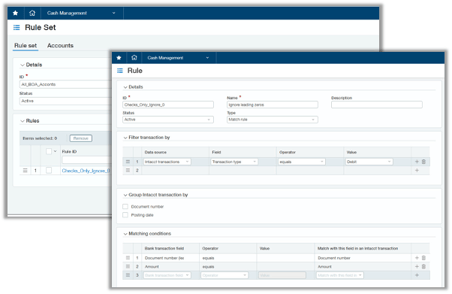
Many grants reimburse expenditures instead of providing upfront payments, making it crucial to consistently monitor your expenses, budget, and cash flow. Imagine submitting a reimbursement request only to discover that your expense does not meet the grant's criteria or, conversely, failing to track your spending, which leads to overspending without sufficient grant funds to cover your costs. A modern cloud accounting system allows you to gain immediate insight into your revenues and expenses, including those related to grants, from anywhere in the world. For instance, Sage Intacct shows immediate insights about your financial standing by tracking your spending and comparing it to your budget. It also facilitates reporting and comparing budget versus actuals for grants with reporting periods that differ from or span across your fiscal year.
5. Ensure Accurate Reimbursement
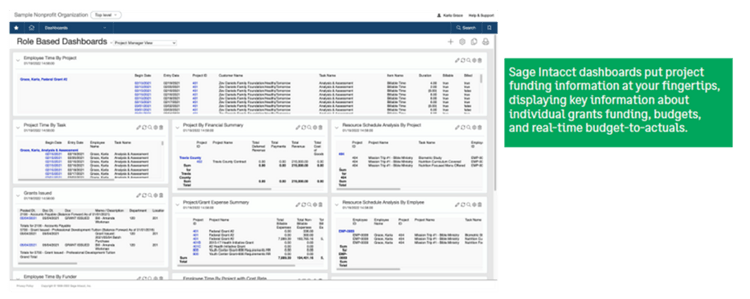
Nonprofits receiving grants need a versatile accounting system to track direct and indirect costs and manage reimbursements. Sage Intacct’s multi-dimensional general ledger enables tracking and tagging of expenses, linking them to specific grants for easy reporting and billing. This system reduces errors, ensures all charges are accounted for, and shortens the grant reimbursement billing cycle. Labor costs can also be billed back to grants using integrated timekeeping data and you can even bill for indirect costs based on negotiated rates or specific markups.
6. Automate Reporting and Track KPIs
Clear and timely reporting, along with KPIs, showcases an organization's mission impact and financial accountability. Modern accounting and grant tracking software simplifies report production, while good automation enhances accuracy and efficiency. Real-time data allows for effective measurement of financial and outcome-based KPIs, helping to monitor organizational performance. Key Performance Indicators can elevate storytelling and boost engagement with grantors, constituents, and potential donors.
7. Secure a Clean Audit
Modern financial management systems streamline audits, ensuring compliance and building donor trust. Responsible financial stewardship enhances an organization's reputation, with clean audit opinions providing reassurance to board members and grantors. Many grantors require audits, and a modern solution like Sage Intacct facilitates this by allowing secure, read-only access for auditors. This enables easier transaction analysis and report finding. Additionally, Sage Intacct's Collaborate feature allows auditors to ask questions, while role-based dashboards can be customized for auditors or compliance needs.
When handled well, Grants can really help nonprofits achieve their goals. By following some helpful tips, nonprofits can improve their grant management, leading to steady funding and more success in reaching their missions.